

Clínica Jané / Treatments / Dental implants
Dental implants in Barcelona
Get back the peace of mind to smile, eat and speak normally again. Fixed, natural-looking, long-lasting implants, with precise planning, respected healing times and close support.
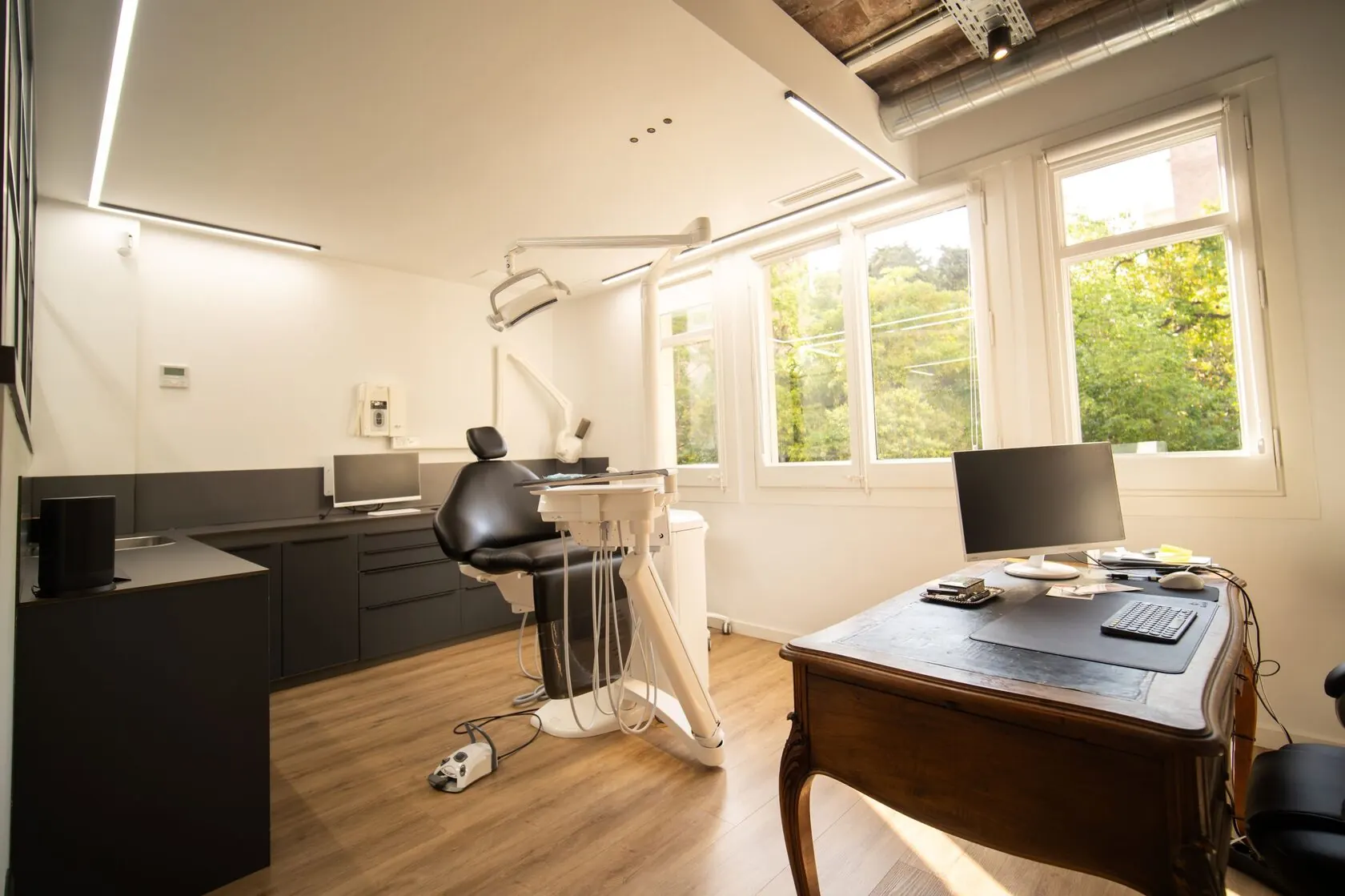
Watch the video
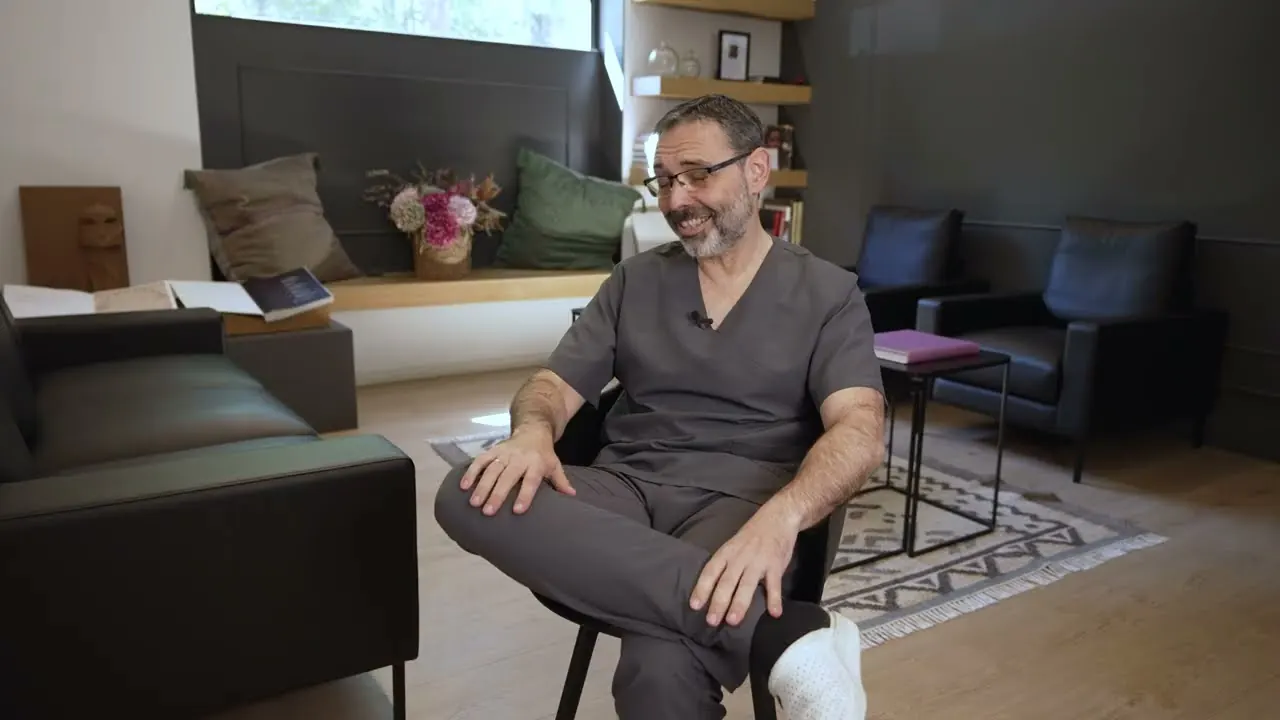 Watch the video on YouTube
Much more than looks
Losing a tooth can affect us more than we imagine. Sometimes we start avoiding smiling in photos. Other times we stop chewing on one side, feel unsure when speaking or sense that something has changed in our expression.
Over time it can also affect comfort when eating, the stability of other teeth and even the bone. An implant isn’t only about replacing a lost tooth: it aims to give you back stability, function and peace of mind in your daily life.
What is an implant?
A small biocompatible titanium structure that replaces the root of a lost tooth. Once placed in the bone, it needs time to integrate and heal to become a stable, secure base. Then we place a crown designed to look and work naturally.
The goal isn’t just for the implant to “fit”. It’s for you to eat, smile and speak again with comfort and confidence.
Our approach
We believe the patient’s peace of mind is part of the treatment. Everyone arrives with a different story, specific needs and, often, doubts or insecurity. So we don’t just place implants: we plan each case precisely and stay with you throughout. We prioritise:
- Individual diagnoses
- Careful, minimally invasive surgery
- Respected healing times
- Functional, natural results
- Long-term follow-up
Step by step
Study and planning
A full examination, X-rays and a bone assessment, to design the right treatment for you.
Placing the implant
Under local anaesthesia, planned surgery for precise, stable placement.
Osseointegration
The implant integrates with the bone before the final crown is placed. This phase usually takes several months.
Crown
We design a functional, stable and natural-looking crown that blends into your smile.
Check-ups
Regular follow-up keeps the implant healthy and stable over the years.
When is it recommended?
Every case is assessed individually, but an implant can be a good solution in cases such as:
- Loss of a tooth
- Several missing teeth
- Difficulty chewing comfortably
- Unstable removable dentures
- Irreparable tooth fractures
- The need to restore function and appearance
Screwless or metal-free implants?
The term “screwless implants” can be confusing. It is often used for more aesthetic treatments, systems where the fixing isn’t visible, or zirconia implants, a metal-free ceramic alternative.
Although there are different materials and types of restoration, most implants still need a stable fixing in the bone to replace the root safely and durably. The best option depends on the bone, gums, bite and each patient’s needs: what matters is a precise diagnosis and a solution that stays stable in the long term.
Support after surgery too
Recovery is part of the treatment. After placing the implant we give you detailed guidance to heal well and ease discomfort in the first days: hygiene, food, swelling, medication and post-operative follow-up.
We want you to know what to expect at each stage and to feel supported after the procedure too.
What worries our patients most
We know you have questions, doubts and fears. Take a breath and smile: you’re in good hands. If something isn’t here, write to us.
Does getting an implant hurt?
It’s one of the biggest fears. It is placed under local anaesthesia, so you feel no pain during surgery. In the first days there may be swelling or mild discomfort, as with other dental procedures. That’s why we give very clear recovery guidance and follow up closely.
What are implants made of?
Most are made of biocompatible titanium, widely used in medicine for its ability to integrate with bone stably and safely. That integration is what lets the implant work as an artificial root.
Why wait before placing the crown?
The bone needs time to integrate the implant: this is osseointegration. During this phase the implant gradually bonds to the bone, forming a firm, lasting base for the final crown. Respecting these times is key to long-term stability.
Can an implant be rejected?
Implants have a very high success rate, but some factors can hinder integration, such as smoking, healing problems or certain illnesses. That’s why we make a detailed prior diagnosis and follow up carefully. If an implant didn’t integrate well, we look at the cause and propose the best way to restore the area safely.
How long does an implant last?
It can last many years. It depends on oral hygiene, habits, the state of the gums, regular check-ups and professional maintenance. Our aim is to help you keep it stable and healthy in the long term.
Do implants need maintenance?
Yes, as much as or even more than a natural tooth. Check-ups and professional cleanings monitor the tissues around the implant and prevent complications. We recommend check-ups every 6 months.
How long does healing take?
The gum usually heals in the first week; the implant’s integration into the bone can take several months.
Can I lead a normal life afterwards?
For the first 24–48 hours we recommend relative rest, avoiding intense exercise and following the doctor’s guidance.
Does smoking affect implants?
Yes. Smoking greatly increases the risk of healing problems and of losing the implant.
Do implants feel like natural teeth?
With well-planned and well-maintained treatment, speaking and chewing feel very similar to a natural tooth.

Want to know if an implant is right for you?
- Calls & WhatsApp
- (+34) 93 253 04 33
- info@clinicajane.com
- Address
- c/ Marià Cubí 110, 08021 Barcelona
- Nearest parking (2 minutes)
- Les Amèriques, Carrer de Santaló, 30